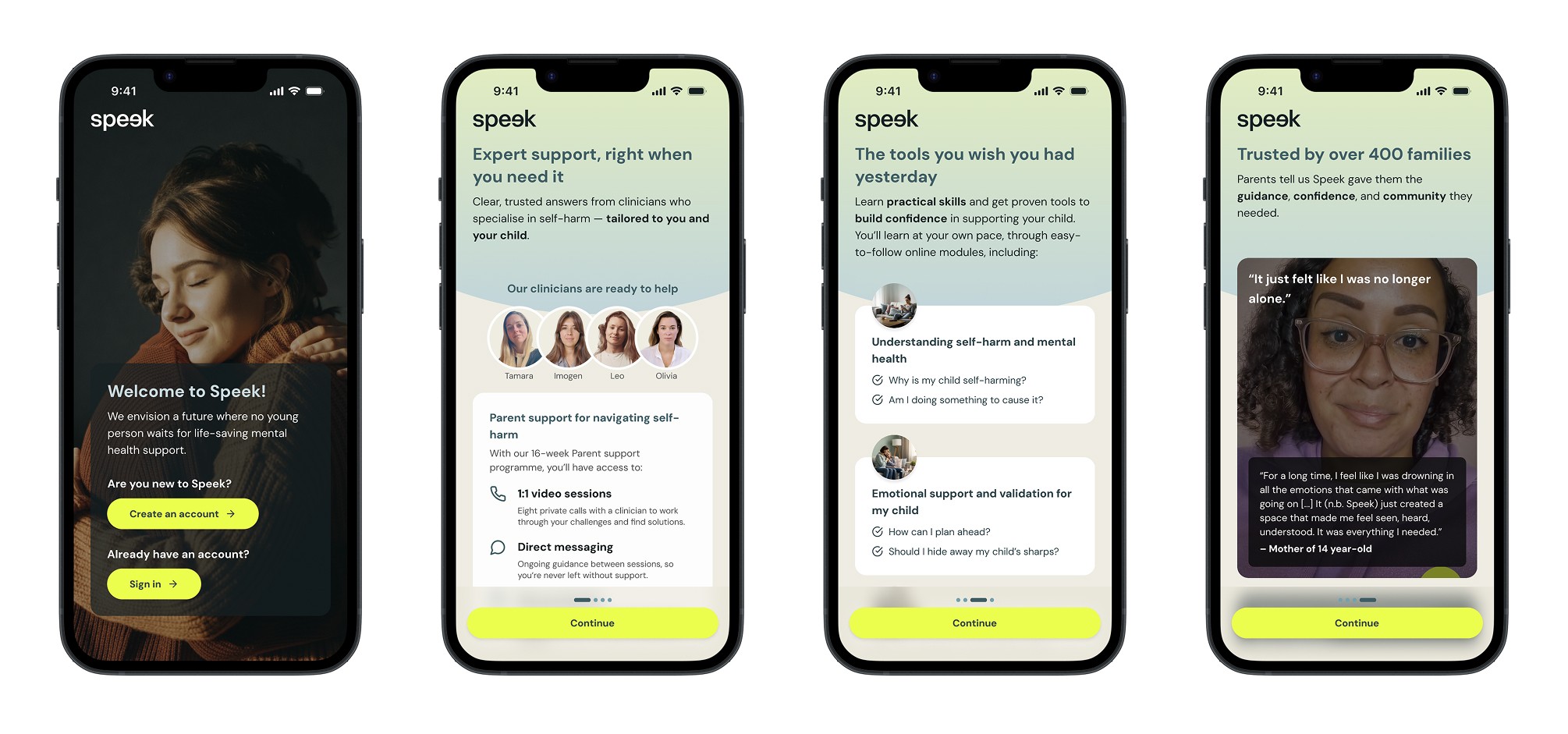
View prototype of launched MVP
Key outcomes
~63%
13%
Challenge
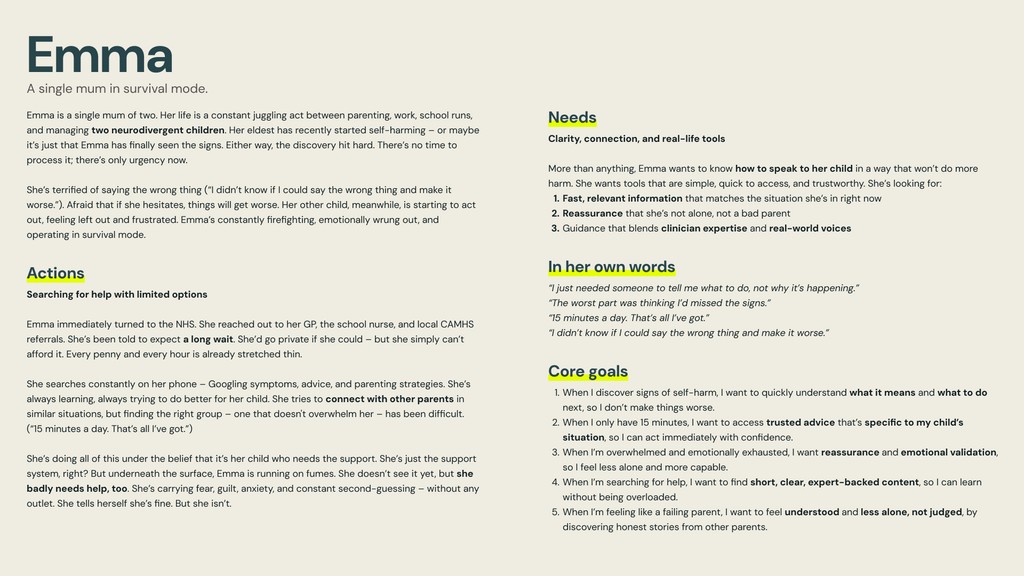
Every night, after her child went to bed, Emma would spend hours searching online. The NHS waitlist was seven months long (other children can be on waitlists even a couple of years in some areas), and she was desperate for actionable support. This is the reality for thousands of parents in the UK, and it was the core, life-critical problem Speek was built to solve.
1 in 5 teenagers in the UK self-harm. Self-harm admissions are up 22% in one year among 8-to-17-year-olds (🔗 BBC source).
In the parents' own words:
“I felt like I was constantly firefighting.”
“I just needed someone to tell me what to do, not why it’s happening.”
“I didn’t know if I could say the wrong thing and make it worse.”
Goal
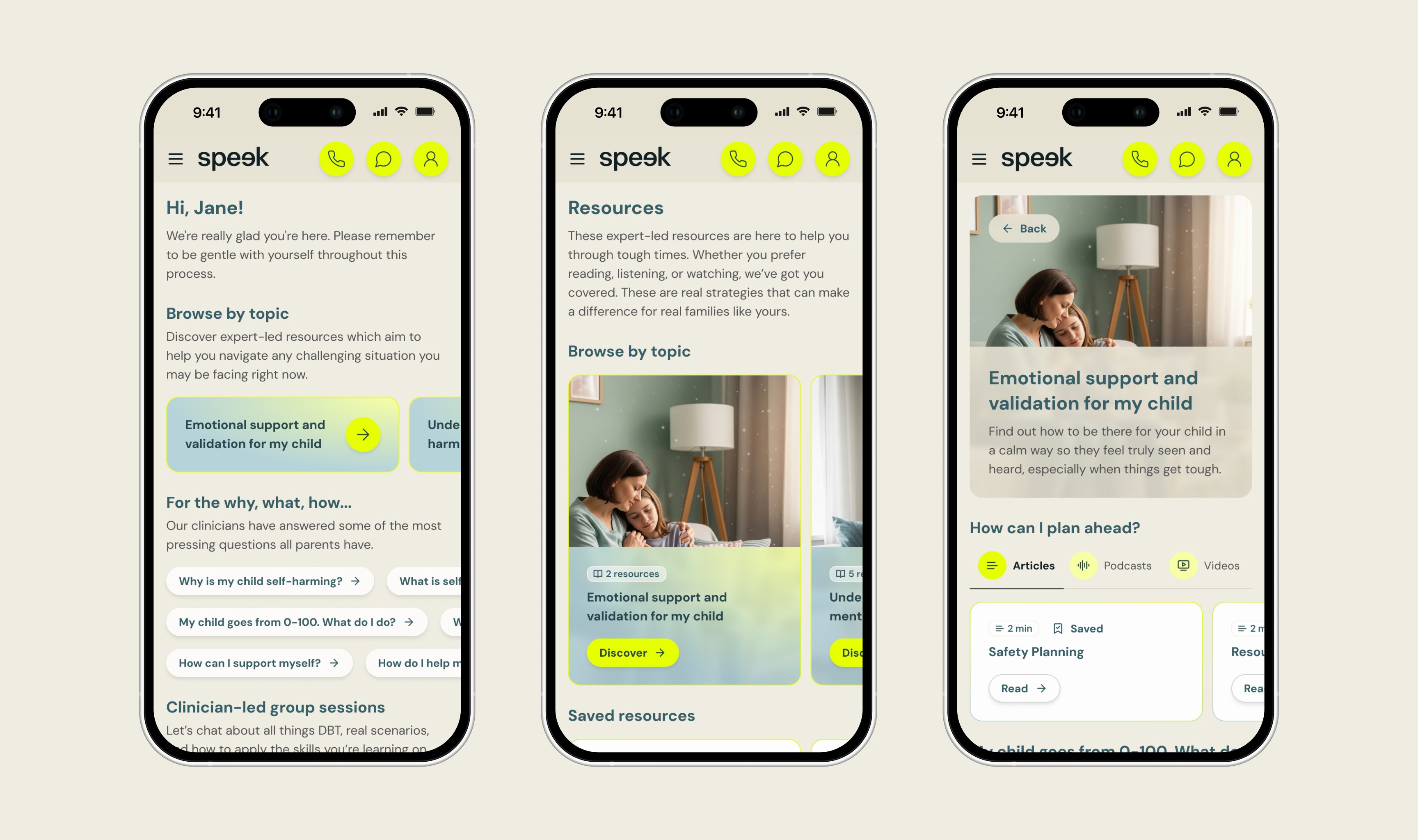
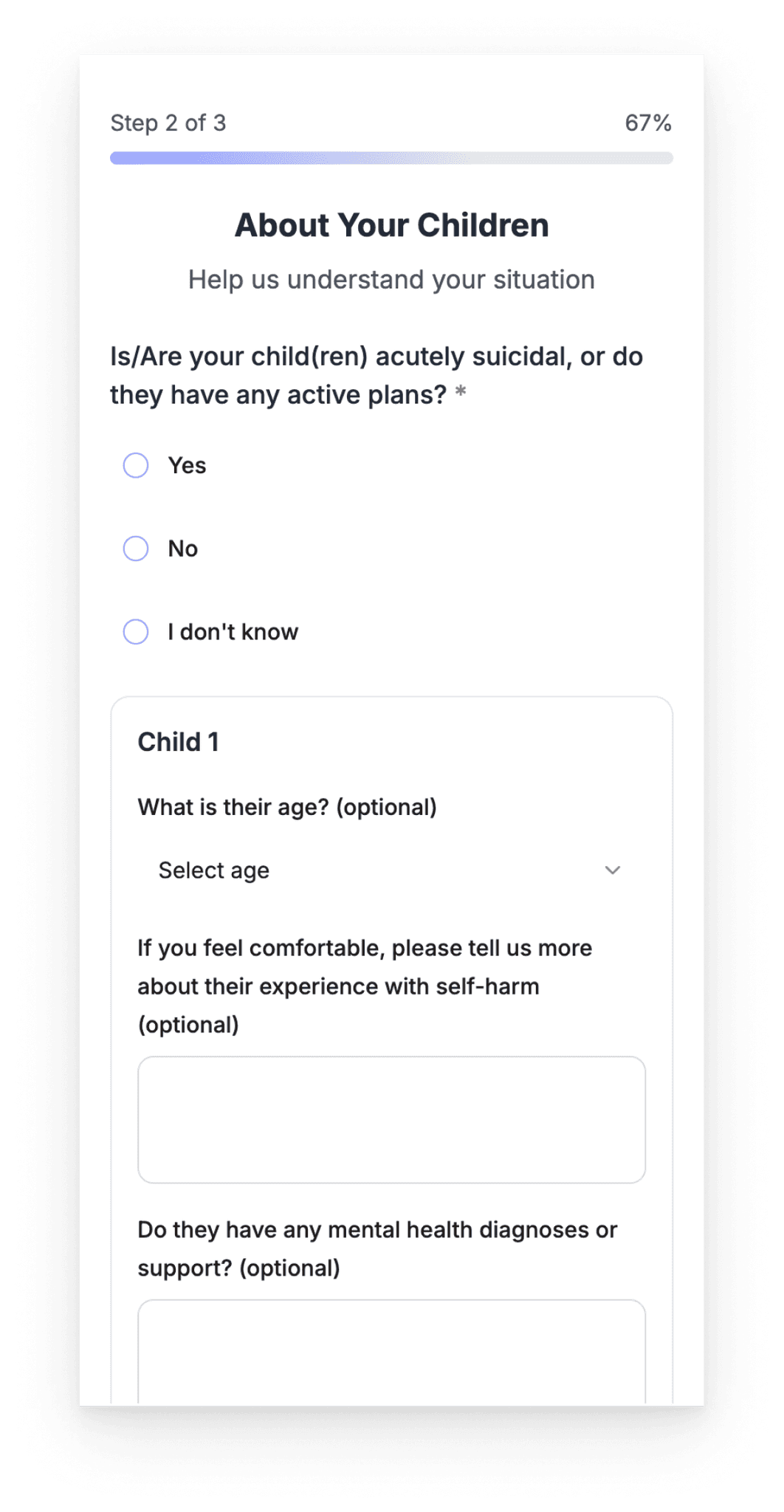
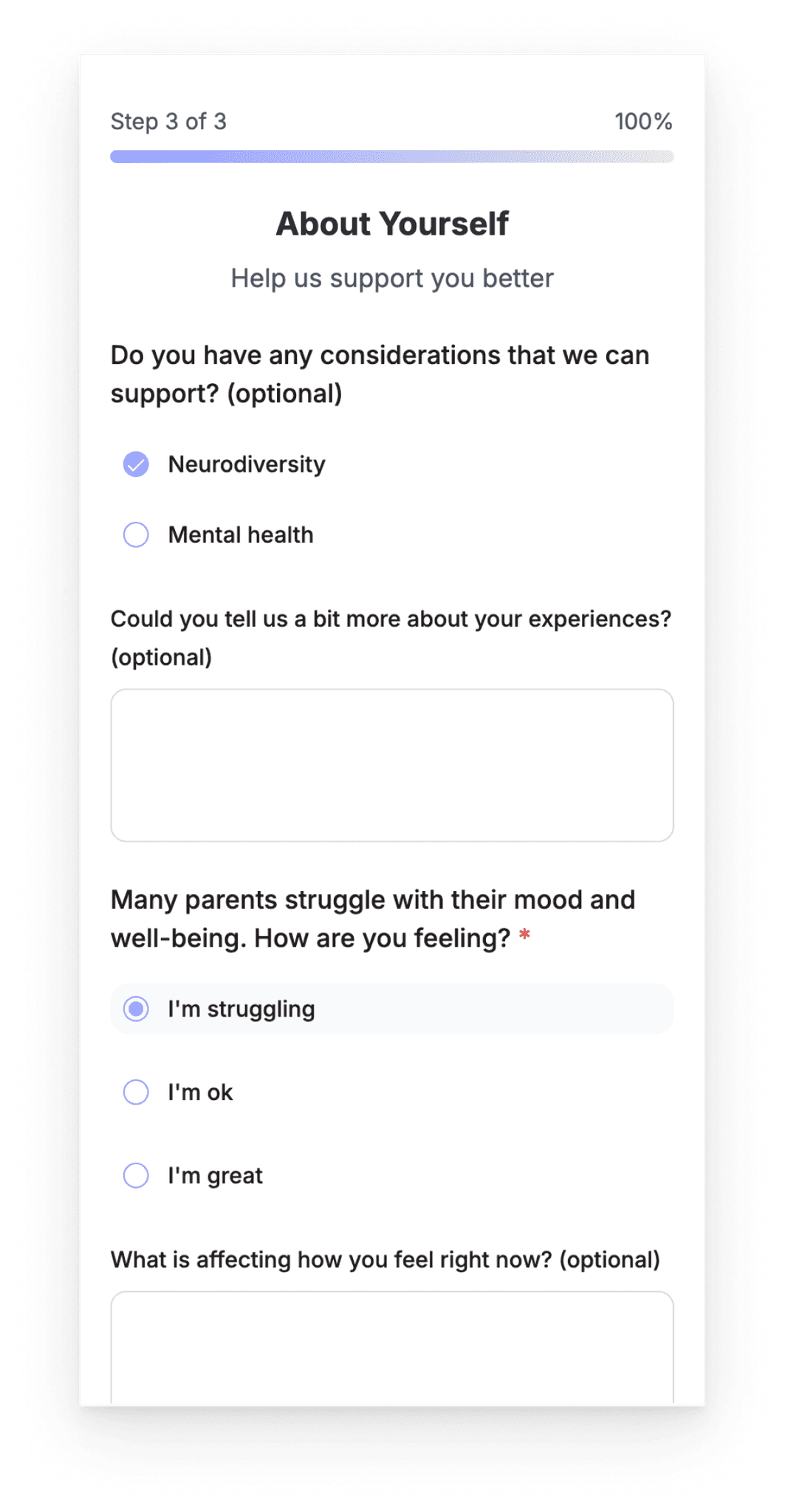
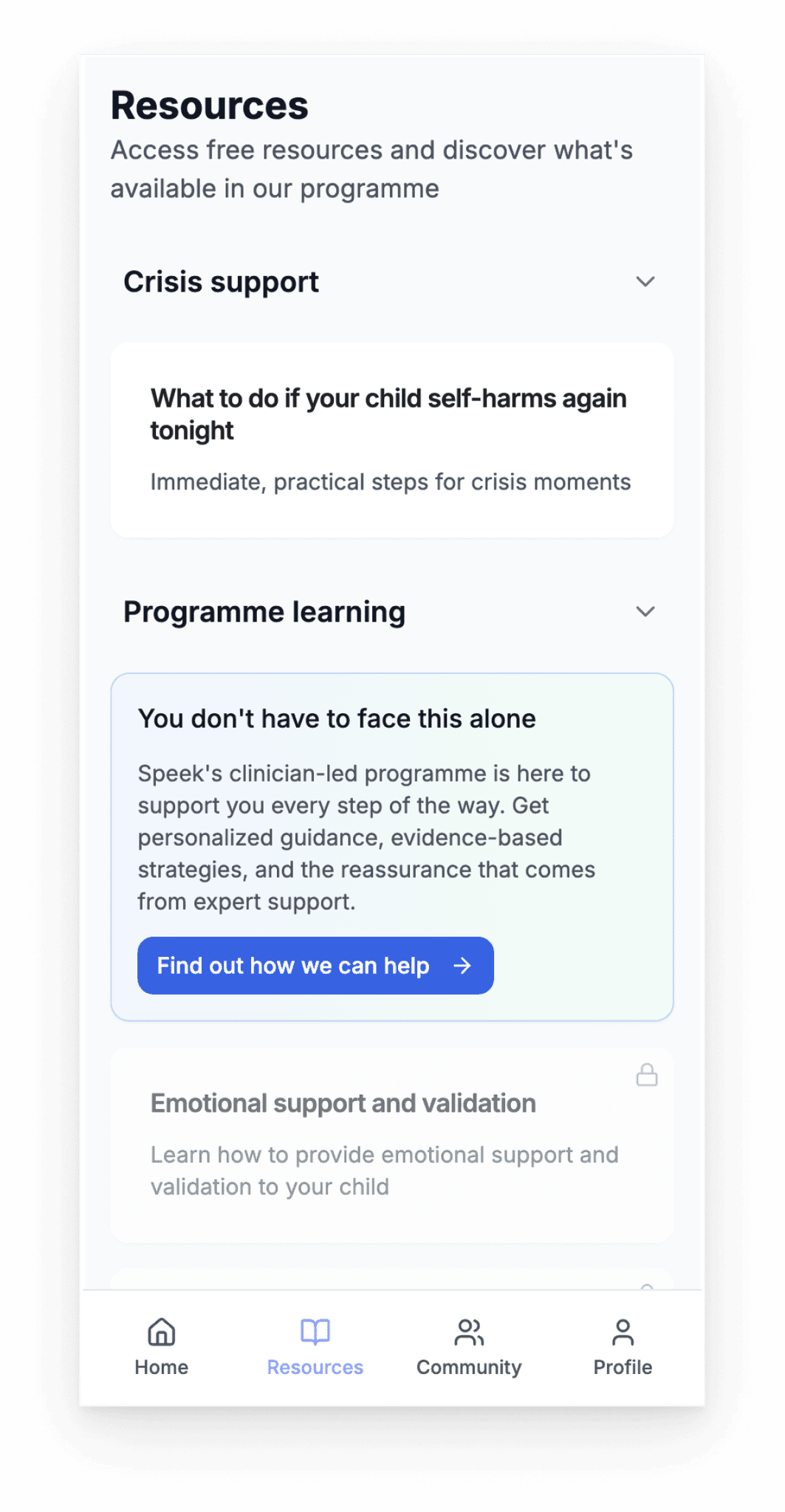
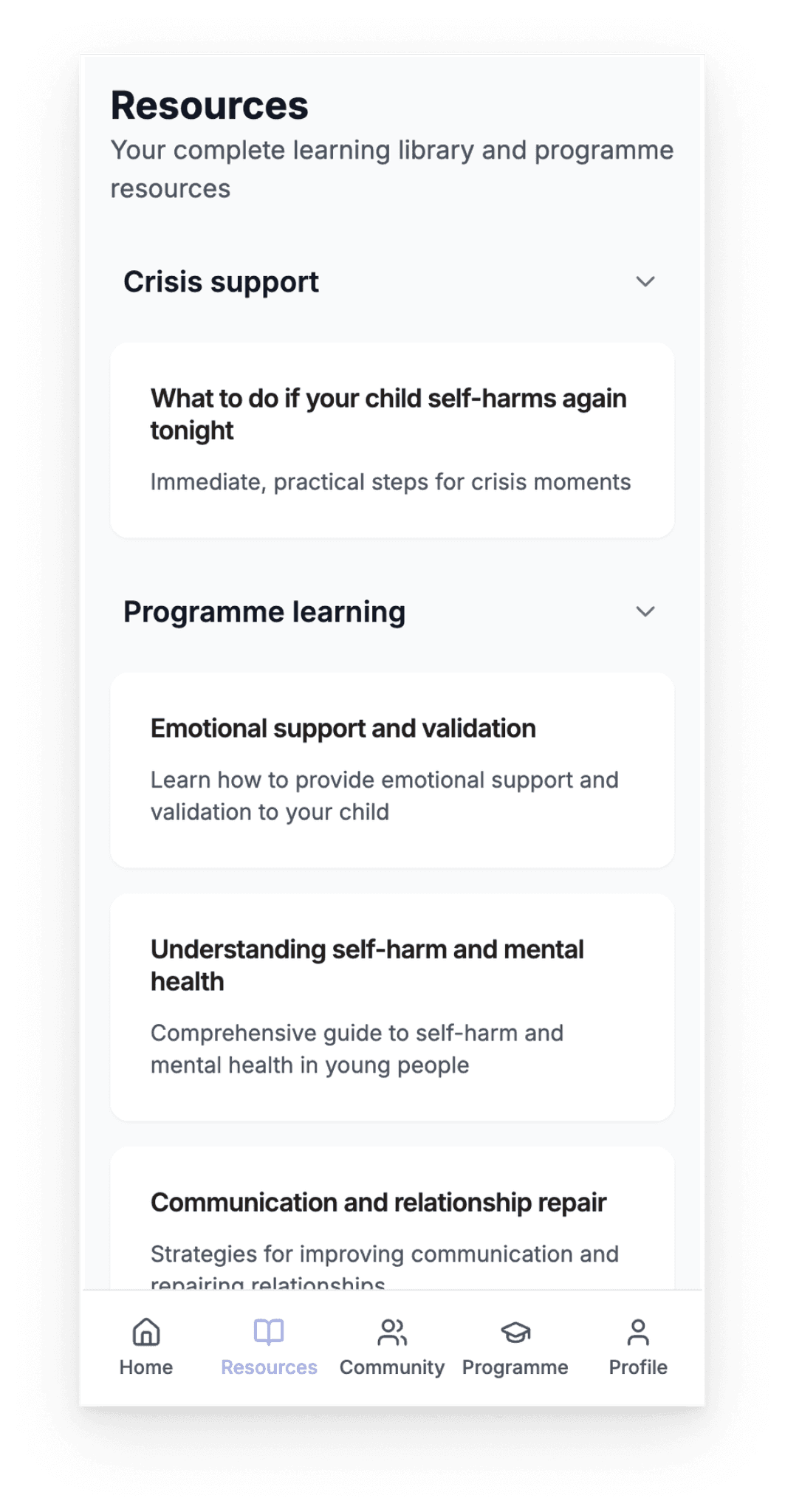
Create a cohesive, patient-centric experience which empowers parents with trusted, accessible, and emotionally supportive resources tailored to their specific needs through clinician support and learning content – for instant help and support, without months-long waitlists.
Design process
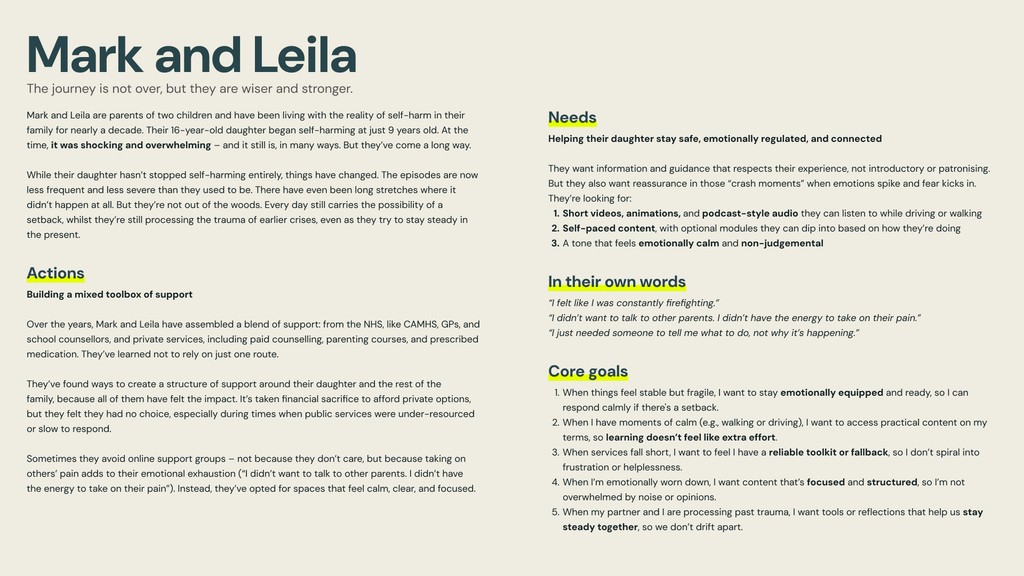
Develop personas
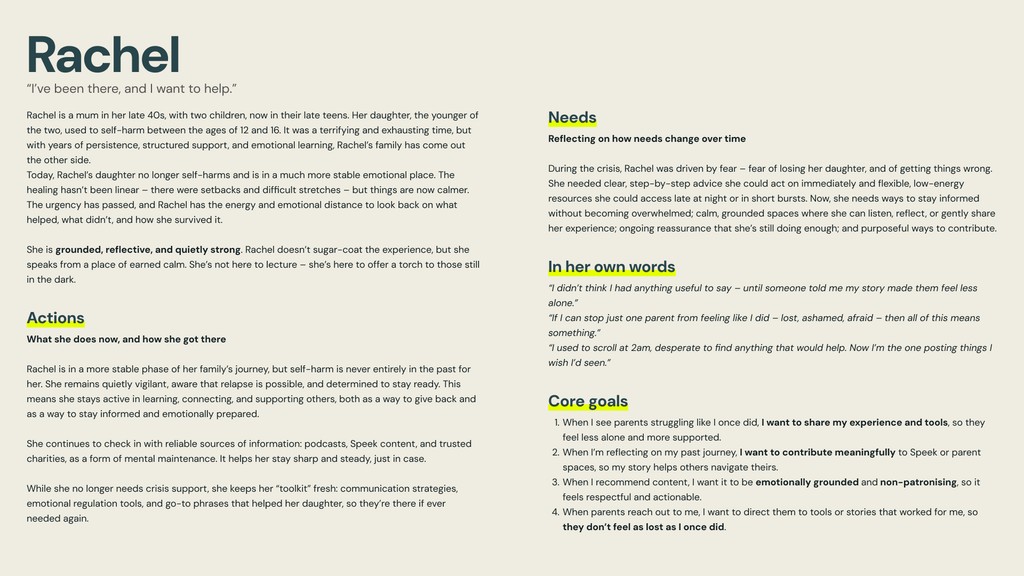
How might we provide parents with immediate, expert-led, and emotionally supportive guidance that helps them navigate their child’s needs without long waits or high costs?
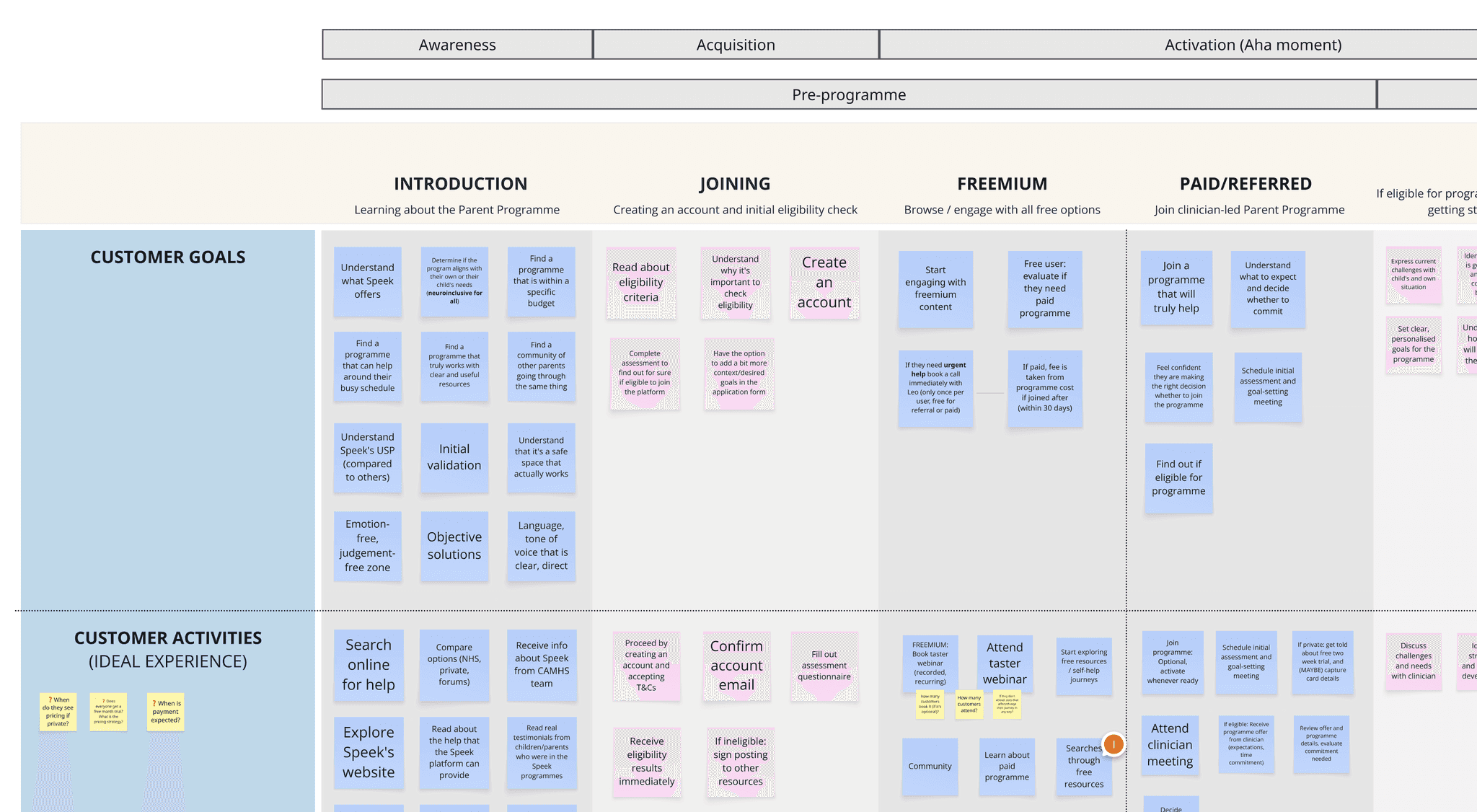
Map parents' current and ideal journeys
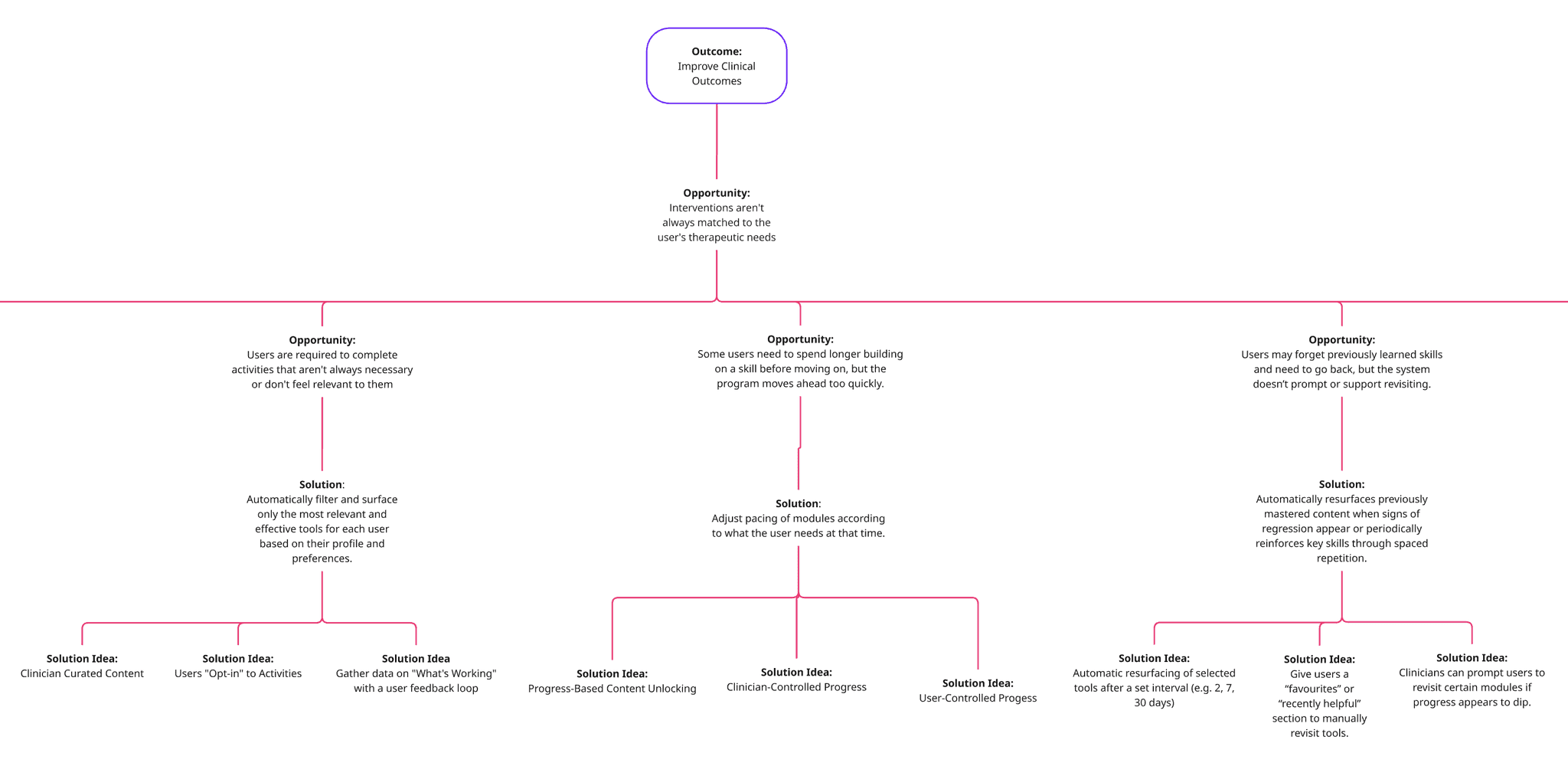
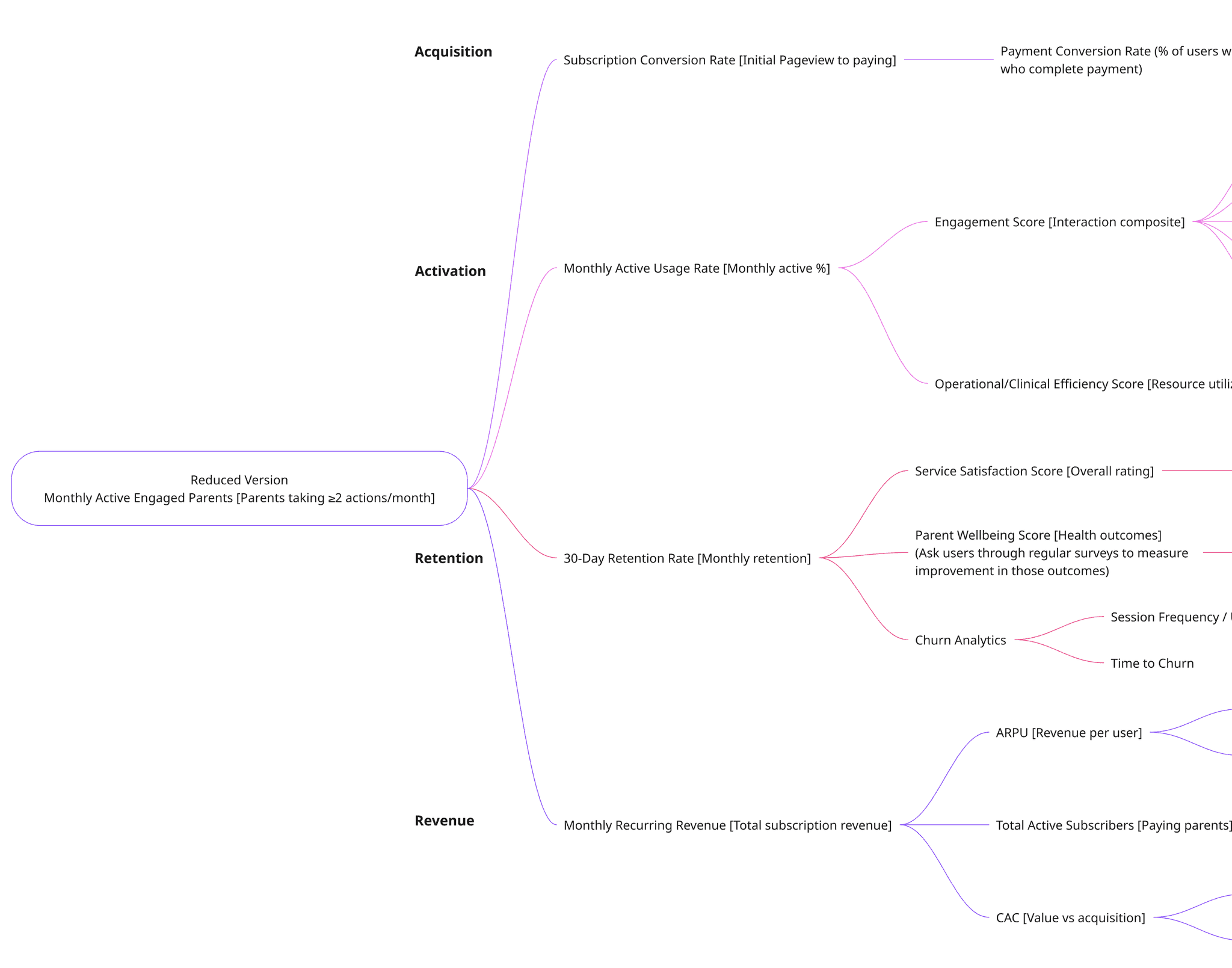
Align user needs with business goals
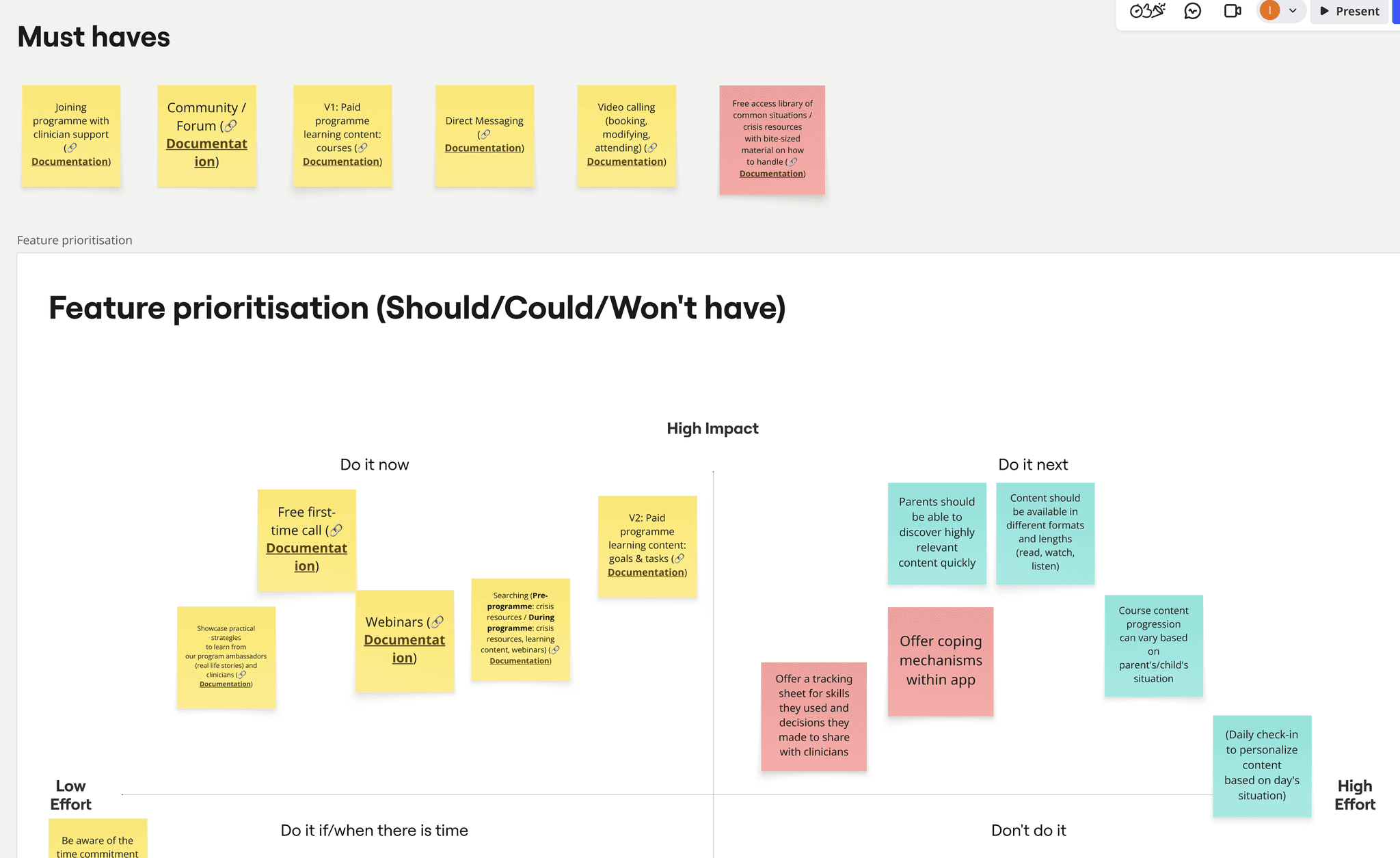
Prioritise and align on MVP deliverables
Building and measuring
Results
Launch
The app was soft-launched on 18th September, approximately 90 days after the discovery phase was initiated. By launching with a smaller user base, this gives us a chance to learn, iterate, and prepare for a bigger launch in the near future.
View prototype of launched MVP
Learn and iterate
Post-launch, by monitoring usage through analytics, we've identified two important areas of improvement:
Reducing the sign-up exit rate
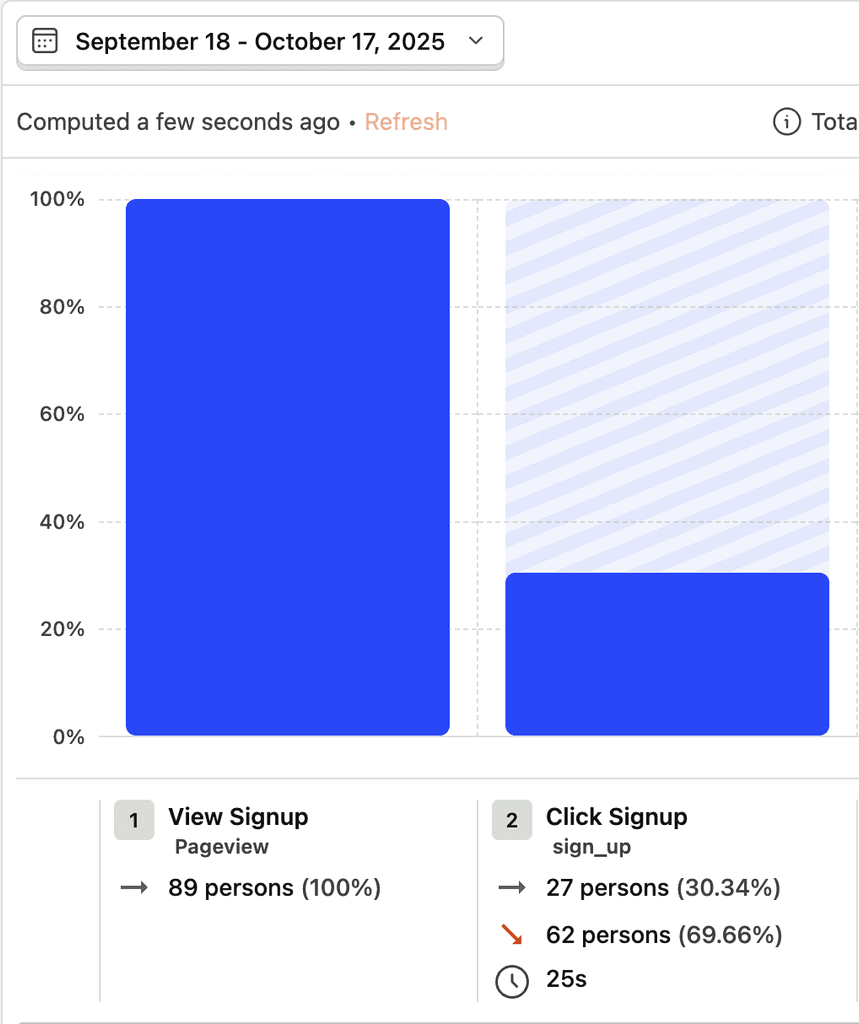
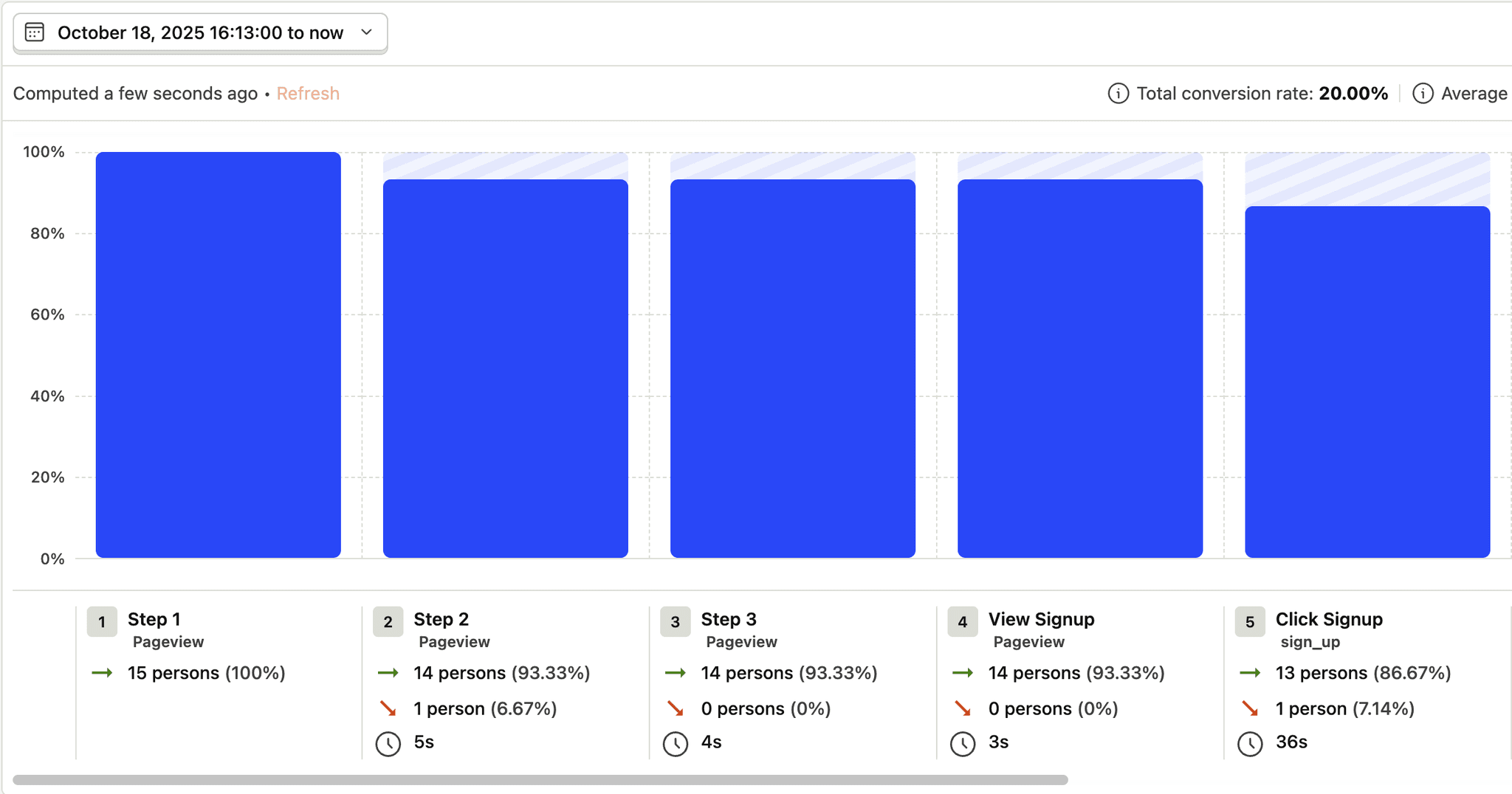
Insight: The app’s main URL directed users straight to the sign up screen, which had an exit rate of approximately 44% – the biggest and earliest funnel drop-off point, which meant it was our top priority to address post-MVP launch.
Hypothesis: Users landing on the sign up page might not have a good understanding of what Speek offers, or the programme’s scope.
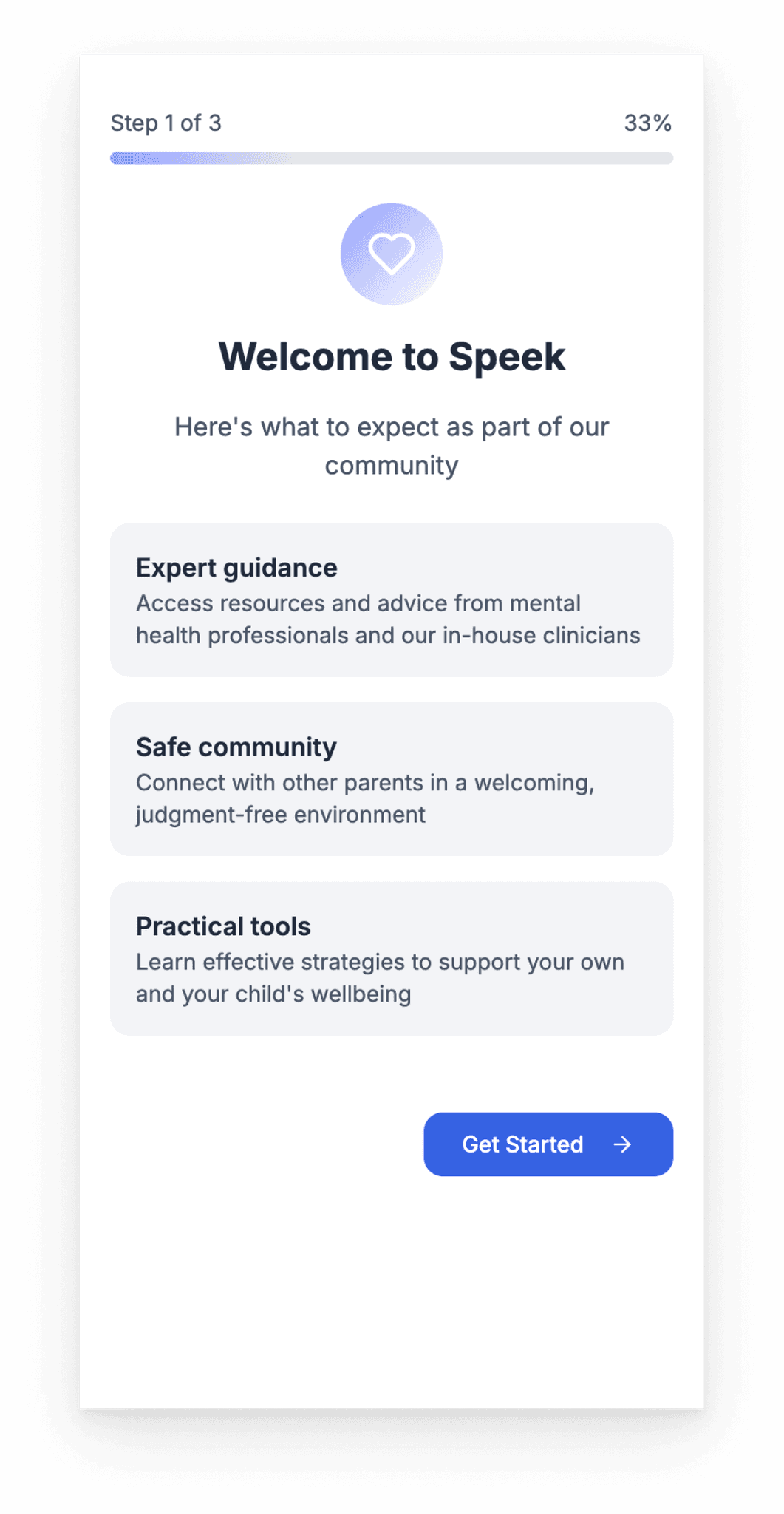
Action: Added a few value prop screens at the start of the sign up journey to clearly explain what Speek offers and who it is for, before users create an account.
Results: Our recent change significantly reduced the exit rate on the sign-up screen.
Before (Sep 18 – Oct 17): The original flow (direct to sign-up) saw an approximate 70% exit rate.
After (Oct 18 – Oct 23): Introducing value proposition screens before the sign-up form dropped the sign-up screen's exit rate to just 7%.
The key takeaway: Adding the value proposition screens resulted in a 63% drop in the sign-up screen's exit rate, showing much higher intent from users who reached the form.
View updated sign-up flow
Increasing programme enrolment conversion
Insight: Programme enrolment conversion was low (approximately 37% enrolled after 14 days), despite free access. This was our second biggest funnel drop-off point, so we came up with what we considered to be a high-impact/low-effort change to try to address it.
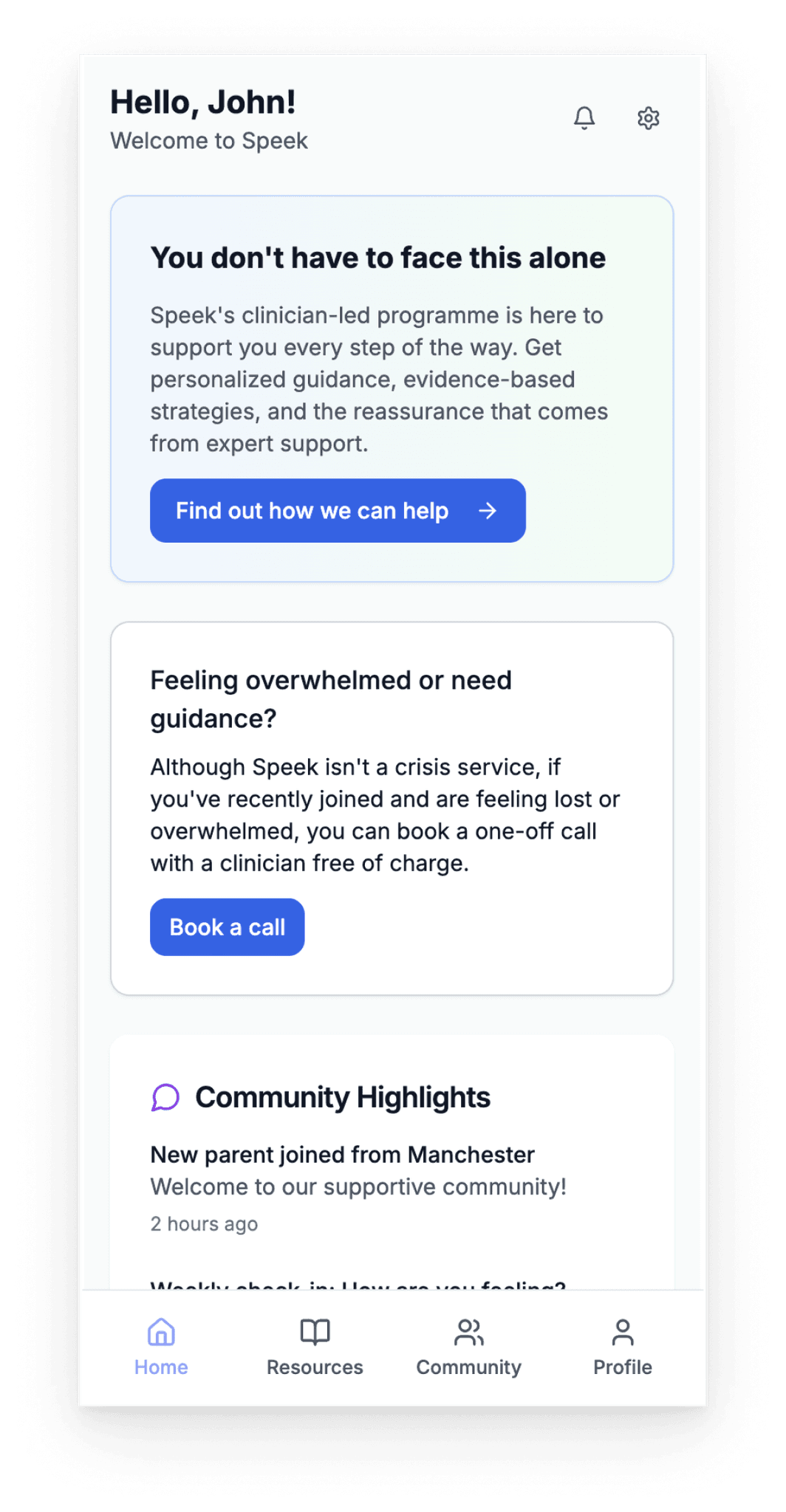
Hypothesis: Users were not enticed enough to discover programme information from the Home page by clicking “Find out how we can help”, or they didn’t realise that was the way for them to get full access to Speek’s offering.
Action: Redesigned the Home page’s content to better advertise both programmes, showcase some of their key benefits instead of having these on a separate page, and demonstrate Speek’s value with the “Impact in numbers” module.
View updated Home page